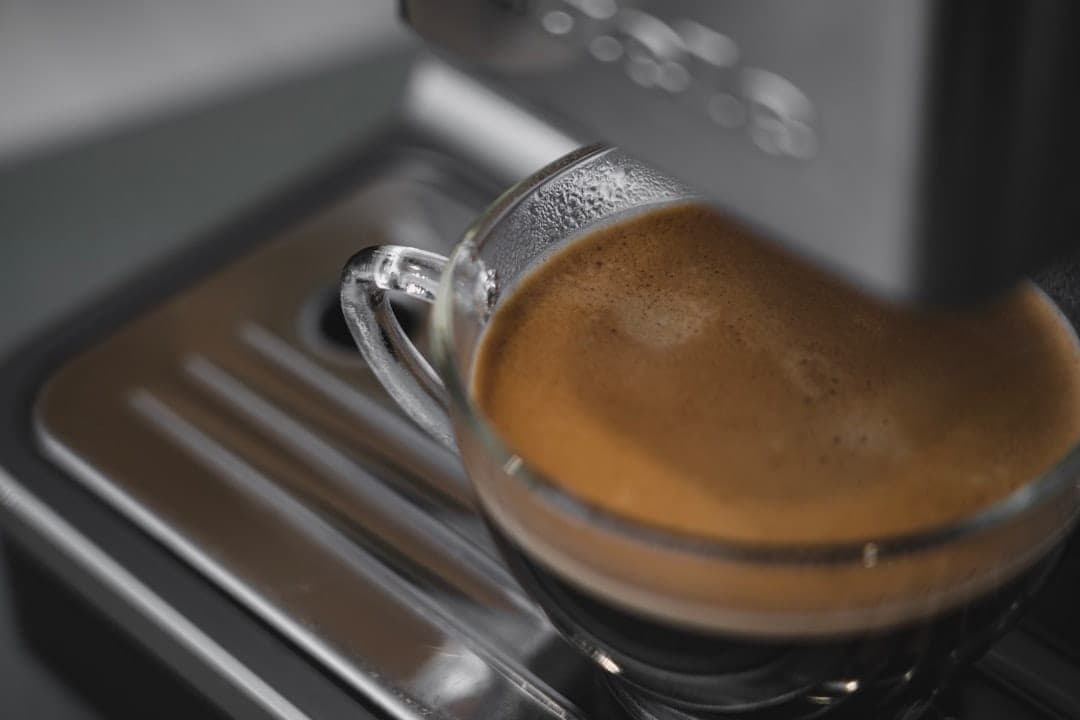
Channeling
Water finds weak spots in the puck, causing uneven extraction with spurts or side streams
What This Looks Like
Compare your shot to these visual cues to confirm the symptom.
Extraction flow
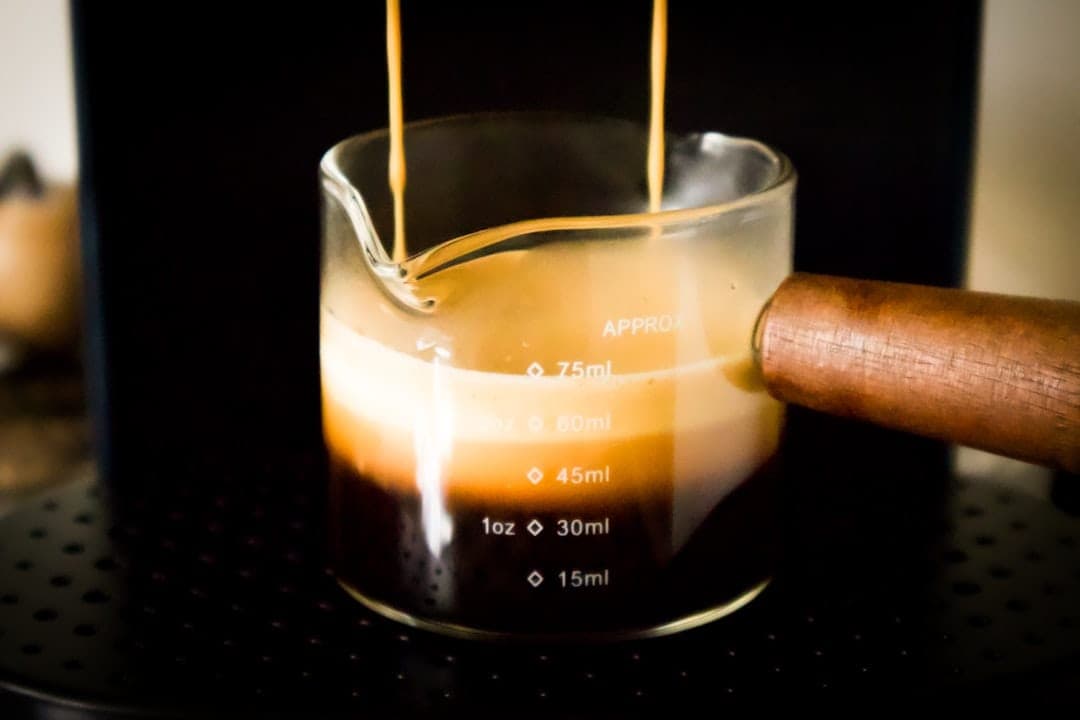
Crema color & texture
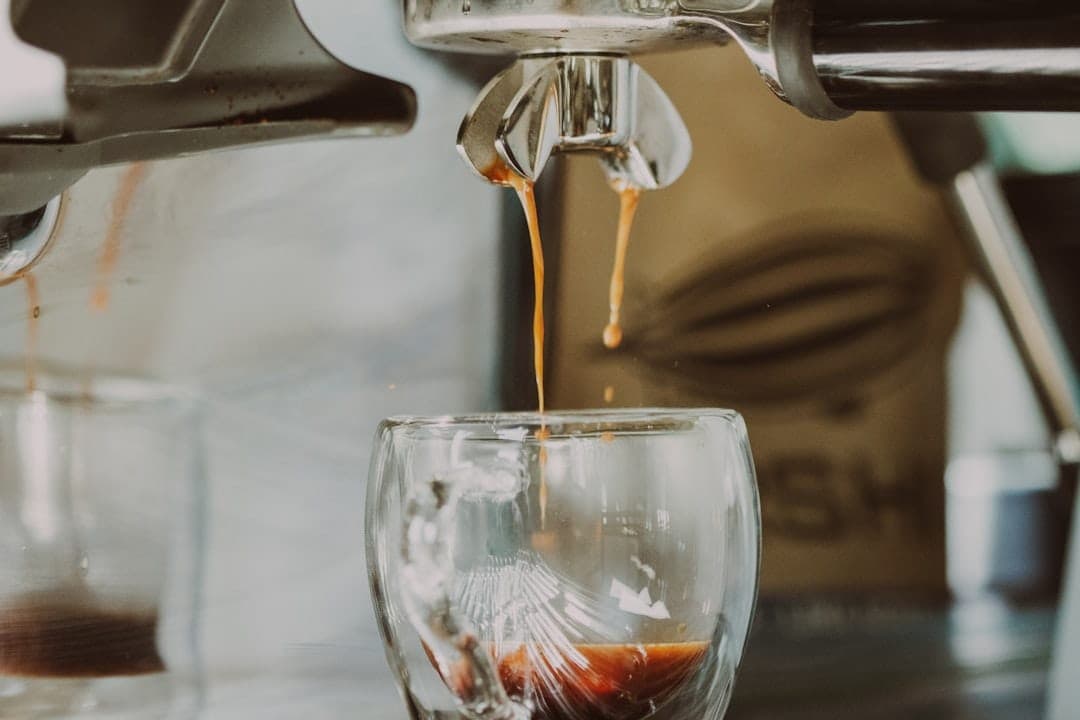
Cup appearance
Not sure about the cause?
Get a personalized diagnosis
Quick Diagnosis
Do you use a distribution technique before tamping?
For a more thorough diagnosis, try our full diagnostic tool.
Possible Causes
Uneven Puck Distribution
3 solutions available
Coffee grounds are unevenly distributed in the basket, causing channeling
Inconsistent Tamping
2 solutions available
Uneven or tilted tamping creates weak spots in the coffee bed
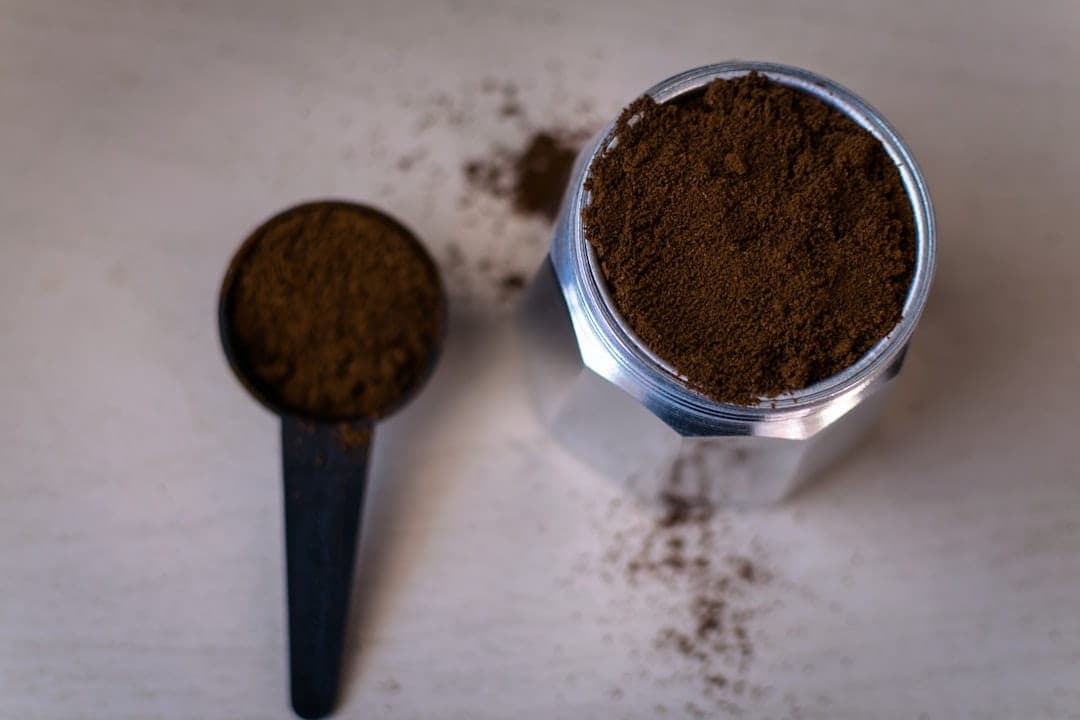
Grind Too Coarse
3 solutions available
Coffee particles are too large, allowing water to pass through too quickly
Dose Too High
2 solutions available
Too much coffee in the basket, potentially touching the shower screen
Stale Coffee Beans
2 solutions available
Coffee beans are past their peak freshness, having lost flavor and CO2
Recommended Solutions
Use WDT Tool for Distribution
Use a WDT (Weiss Distribution Technique) tool to break up clumps and evenly distribute grounds in your portafilter before tamping.
Expected Result
Eliminated channeling, more even extraction, consistent shot times.
Ensure Level Tamping
Apply even, level pressure when tamping. Use a leveling tamper or practice keeping your wrist straight and elbow at 90 degrees.
Expected Result
Even extraction across the puck, eliminated side channeling, consistent flavor.
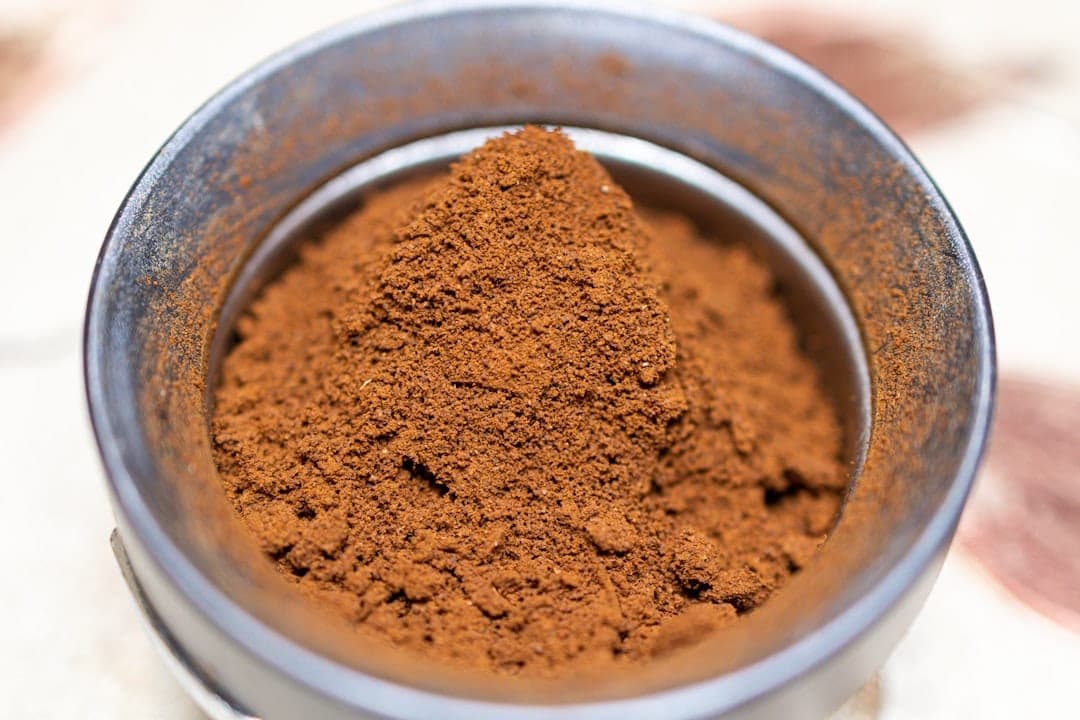
Use Precision Filter Basket
Replace your stock filter basket with a precision basket like VST, IMS, or Pullman. These have more consistent hole sizes.
Expected Result
More even extraction, better flow, reduced channeling potential.
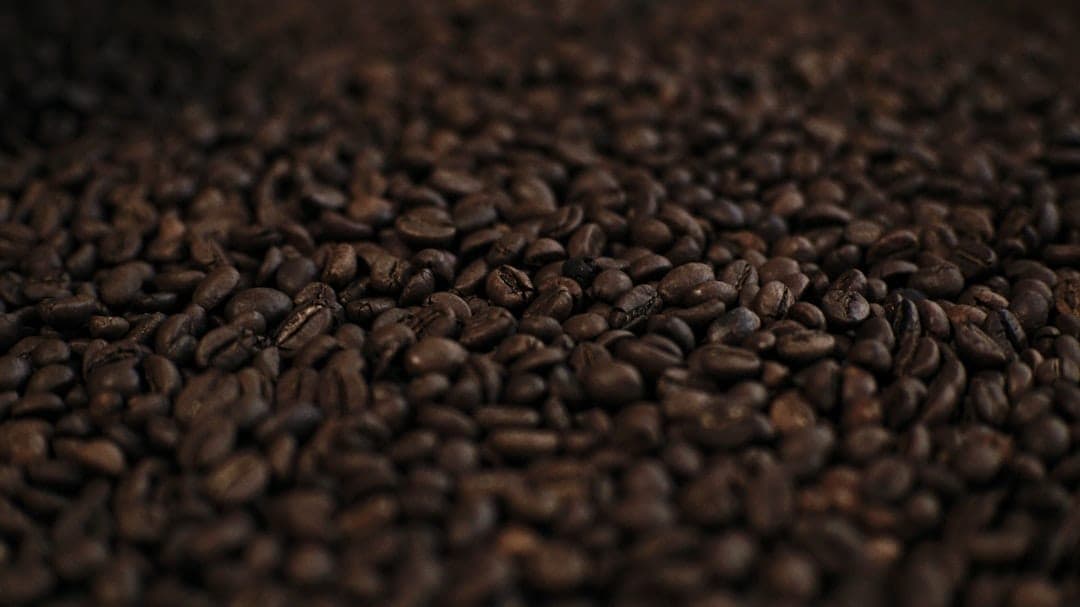
Grind Finer
Adjust your grinder to produce finer coffee particles. Make small adjustments (2-3 increments on most grinders) and pull a test shot.
Expected Result
Extraction time should increase by 3-5 seconds. Flavor should become more balanced with less sourness.
Frequently Asked Questions
In-Depth Guide
Quick Diagnosis
Channeling occurs when water finds weak spots in your coffee puck and rushes through unevenly. You might see spurts, sprays, or uneven streams from your portafilter.
Signs of channeling:
- Multiple streams from the basket instead of one central stream
- Blonde spots or tiger striping appearing very quickly
- Shot finishing faster on one side
- Inconsistent taste between identical shots
What to Change First (in order)
-
Improve puck preparation Use WDT (Weiss Distribution Technique) to break up clumps. Learn more: Improve Puck Prep
-
Use proper tamping technique Apply even, level pressure across the entire puck.
-
Check your dose consistency Weigh your dose to ±0.1g accuracy.
Common Causes
1) Uneven Distribution
Clumps or uneven coffee distribution create weak spots where water preferentially flows.
- Learn more: Uneven Distribution
- Most common fix: Improve Puck Prep
2) Inconsistent Tamping
Uneven or tilted tamping creates paths of least resistance.
3) Dose Too Low
Insufficient coffee leaves gaps and allows channeling more easily.
4) Equipment Issues
Warped baskets, worn group gaskets, or uneven water dispersion can all cause channeling.
FAQ
Q: How can I tell if I have channeling? Look for: spurting/spraying from the basket, uneven coloring during extraction, shot finishing faster than expected, or widely inconsistent taste between shots with identical recipes.
Q: What is WDT and does it really help? WDT (Weiss Distribution Technique) uses thin needles to break up clumps in the grounds. It's highly effective—many baristas consider it essential for consistent extractions.
Q: Can a naked portafilter help diagnose channeling? Absolutely. A bottomless (naked) portafilter lets you see exactly how water flows through the puck, making channeling immediately visible as spurts or uneven streams.
Q: Does grind size affect channeling? Yes. Too fine a grind combined with poor distribution can create "doughnutting" where water channels around the puck's edge. Too coarse can cause general fast flow. Balance is key.