Thin or Watery Espresso
Your espresso lacks body, tastes watery or hollow, missing richness
What This Looks Like
Compare your shot to these visual cues to confirm the symptom.
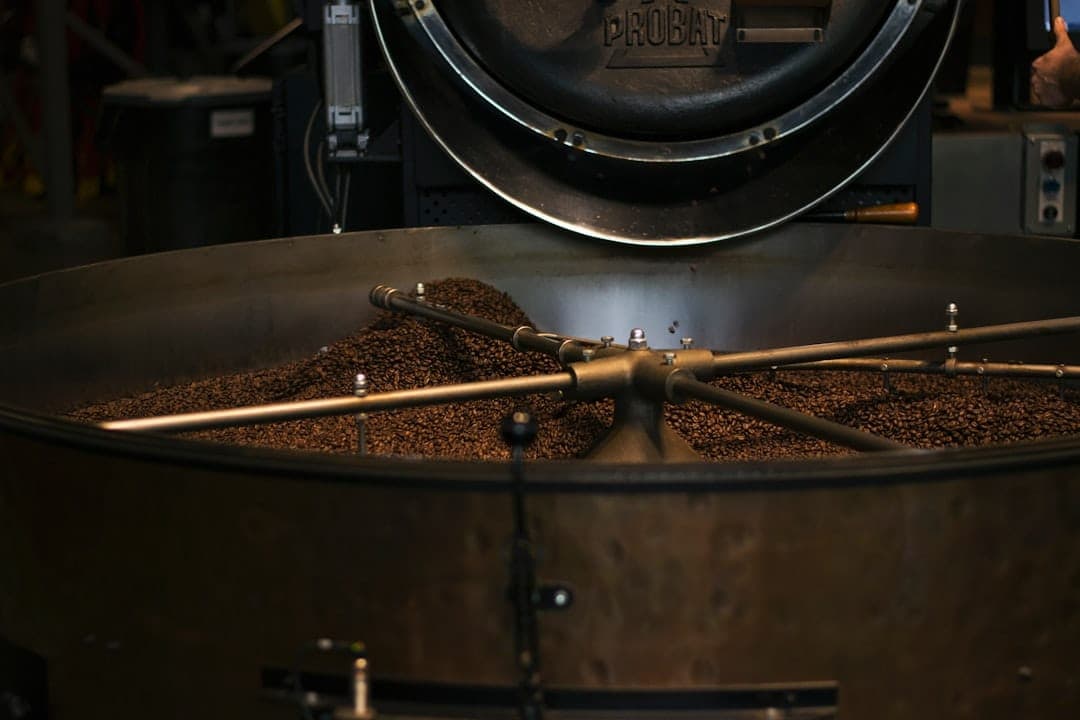
Extraction flow
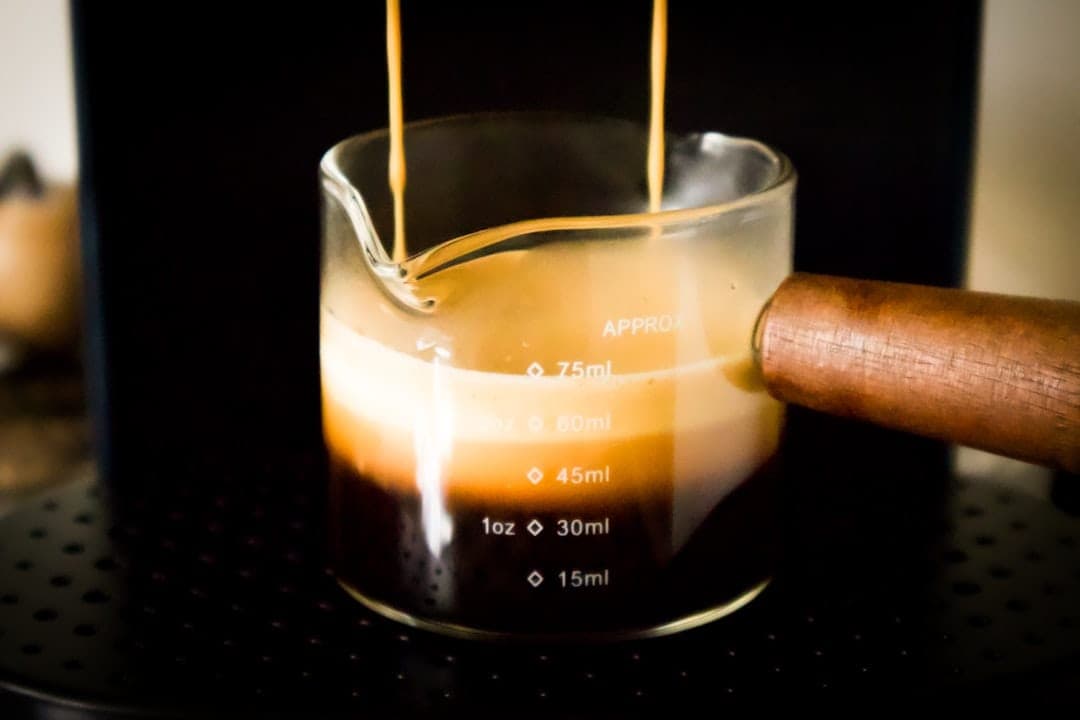
Crema color & texture
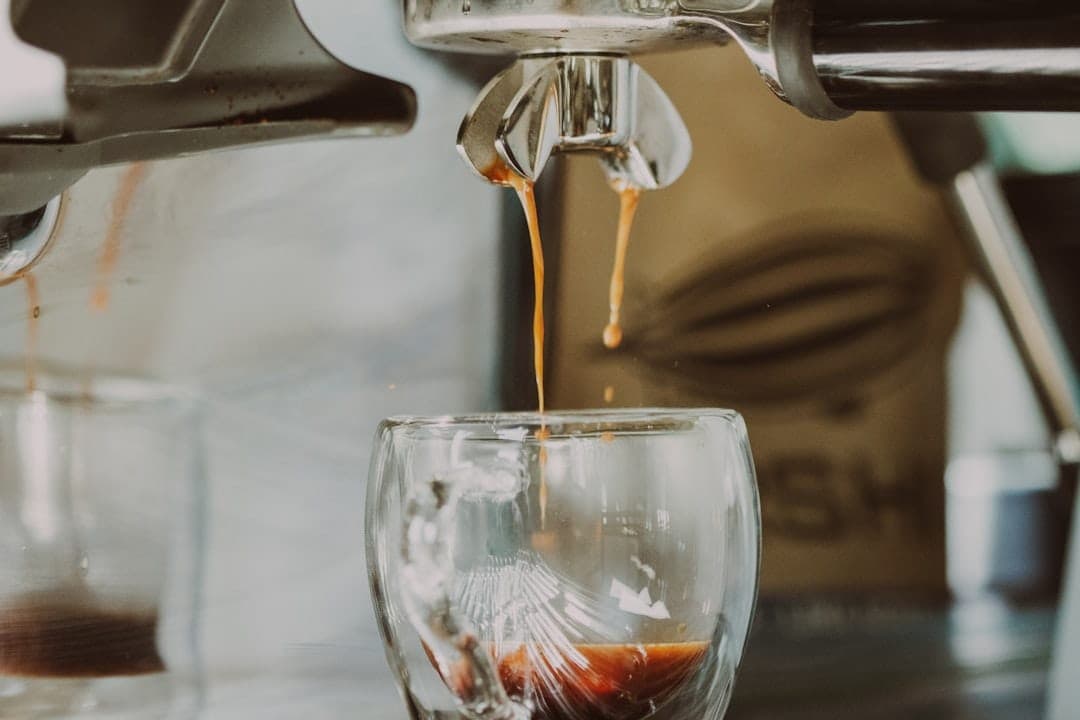
Cup appearance
Not sure about the cause?
Get a personalized diagnosis
Possible Causes
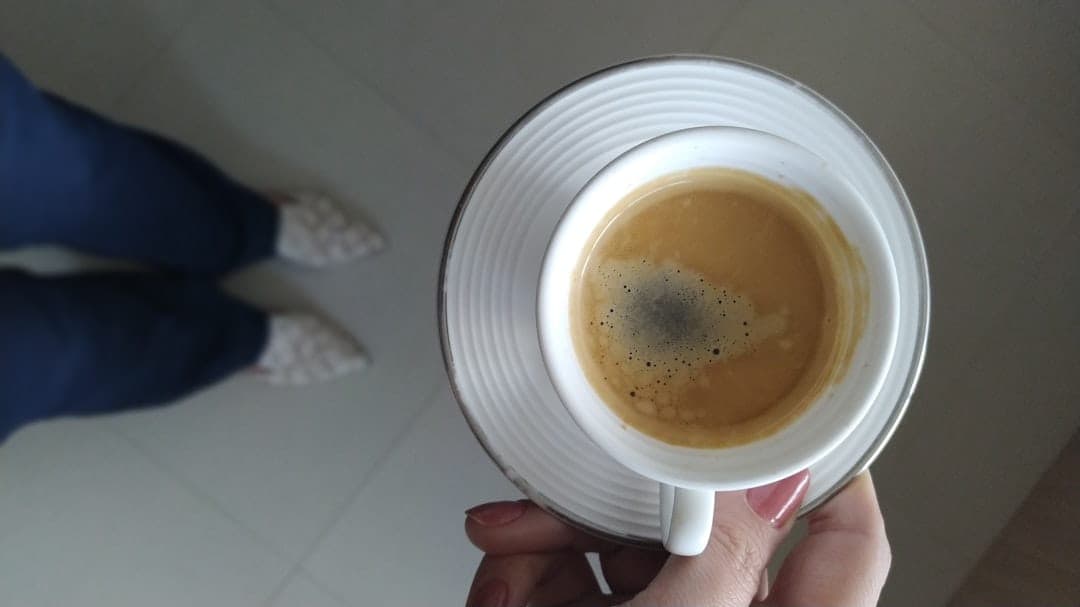
Under-extraction
3 solutions available
Water hasn't extracted enough soluble compounds from the coffee, leaving behind desirable flavors
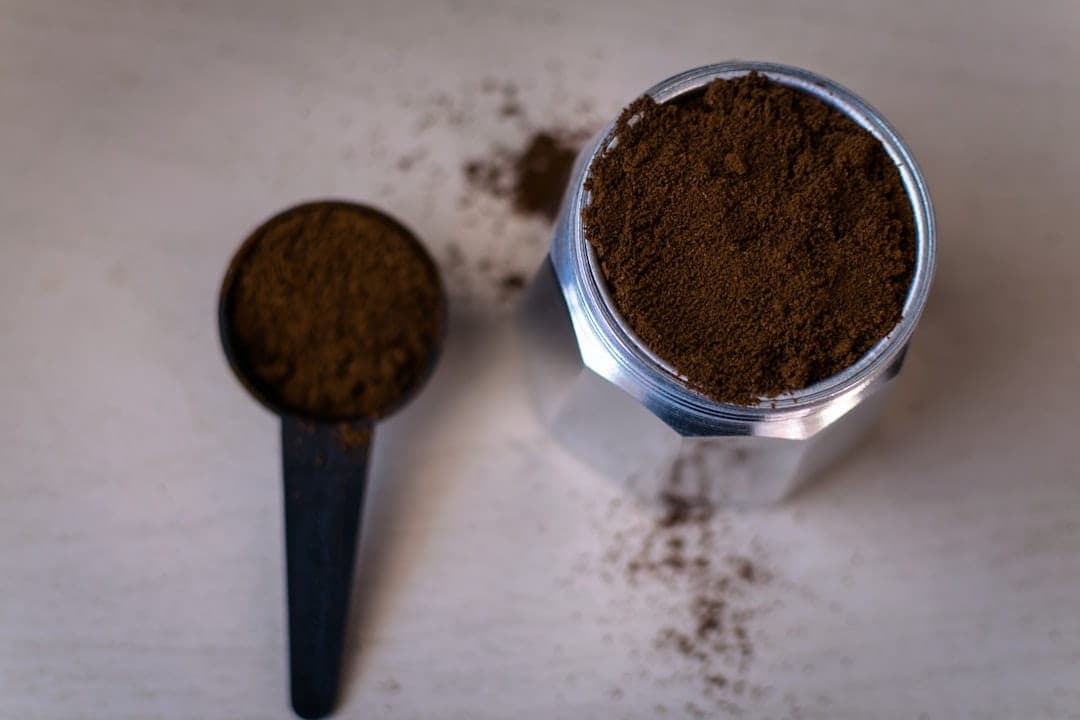
Grind Too Coarse
3 solutions available
Coffee particles are too large, allowing water to pass through too quickly
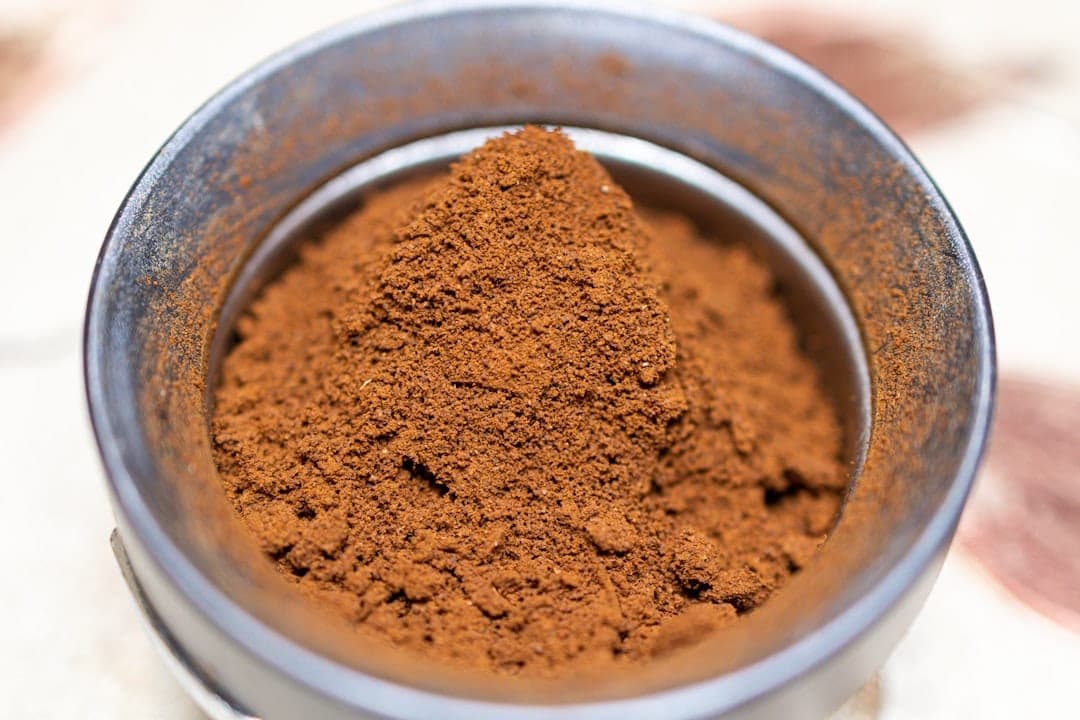
Dose Too Low
2 solutions available
Not enough coffee in the basket, reducing extraction resistance
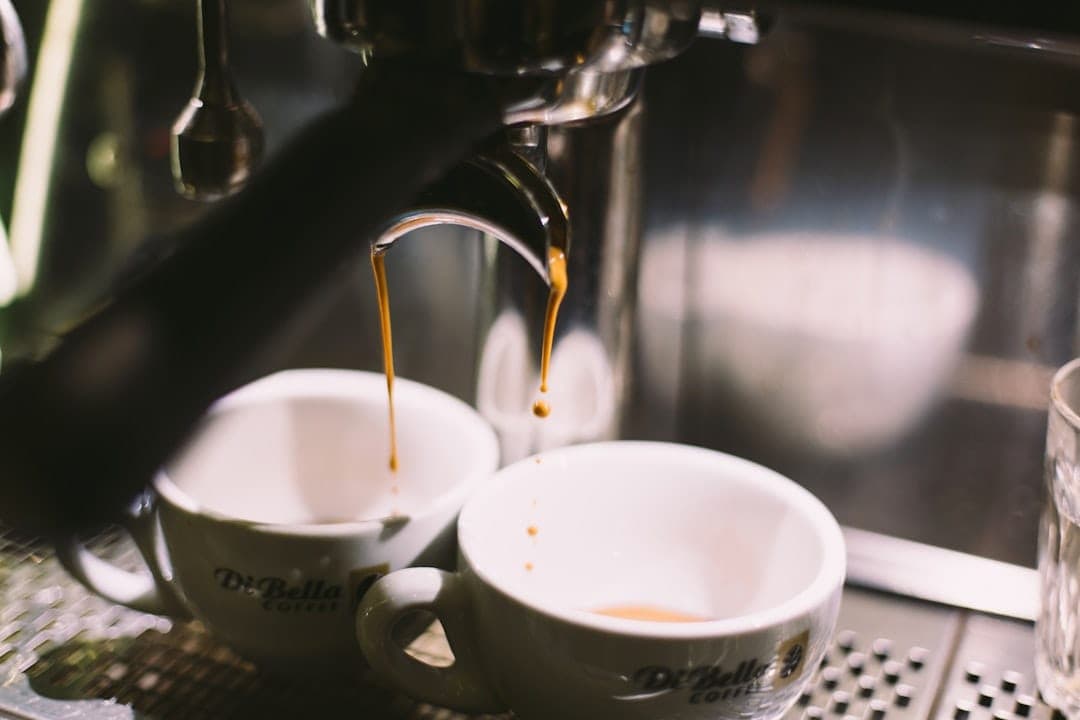
Poor Water Quality
1 solution available
Water mineral content is too low or too high for optimal extraction
Stale Coffee Beans
2 solutions available
Coffee beans are past their peak freshness, having lost flavor and CO2
Recommended Solutions
Grind Finer
Adjust your grinder to produce finer coffee particles. Make small adjustments (2-3 increments on most grinders) and pull a test shot.
Expected Result
Extraction time should increase by 3-5 seconds. Flavor should become more balanced with less sourness.
Increase Extraction Yield
Pull a longer shot, increasing your output ratio. Try moving from 1:2 to 1:2.5 (e.g., 18g in → 45g out instead of 36g).
Expected Result
More extraction, reduced sourness, sweeter and more balanced flavor.
Increase Coffee Dose
Add 0.5-1g more coffee to your portafilter basket. Ensure it's within your basket's recommended capacity.
Expected Result
More resistance, slower extraction, fuller body and more intense flavor.
Upgrade Your Grinder
If using a blade grinder or entry-level burr grinder, consider upgrading to a quality espresso grinder with fine adjustment capability.
Expected Result
More consistent particle size, better control, dramatic flavor improvement.
Frequently Asked Questions
In-Depth Guide
Quick Diagnosis
If your espresso lacks body, tastes watery, or feels hollow, you're likely experiencing thin espresso. It should have a syrupy, coating mouthfeel—not feel like brown water.
Check these first:
- Is your ratio too high (e.g., 1:3 or more)?
- Are your beans stale or of low quality?
- Is extraction happening too quickly?
What to Change First (in order)
-
Reduce your yield ratio Try a shorter ratio like 1:1.5 to 1:2 for more body.
-
Grind finer Increase extraction to develop more body and dissolved solids. Start here: Grind Finer
-
Increase your dose More coffee = higher concentration = more body.
Common Causes
1) Ratio Too High
Running too much water through the puck dilutes the espresso and reduces body.
2) Under-extraction
When extraction is incomplete, you get thin, underdeveloped flavors lacking body.
- Learn more: Under-extraction
- Most common fix: Grind Finer
3) Stale Beans
Old coffee loses oils and aromatics, resulting in flat, thin-tasting espresso.
4) Low-Quality Beans
Lower-quality or commodity-grade beans often lack the oils and complexity that create body.
5) Low Dose
Using less coffee naturally produces a thinner, less concentrated shot.
FAQ
Q: What ratio should I use for more body? Traditional Italian espresso uses ratios around 1:1.5 to 1:2. Try 18g in, 30-36g out. Going shorter (ristretto-style) increases body significantly.
Q: Can I fix thin espresso by grinding finer? Yes, to a point. Finer grinds increase extraction, which adds body and dissolved solids. But go too fine and you risk over-extraction and bitterness.
Q: Why does my home espresso feel thinner than café espresso? Cafés often use fresh, high-quality beans, calibrated equipment, and optimized recipes. Check your bean freshness, consider upgrading beans, and ensure your grinder produces fine enough particles.
Q: Does the coffee roast level affect body? Yes. Medium to dark roasts typically produce more body and oiliness than light roasts. Light roasts can taste thinner and more tea-like, which isn't necessarily a flaw—it's a characteristic.